
 BACK-TO-SCHOOL IS AN EXCITING TIME FOR PARENTS AND KIDS, BUT BACK-TO-SCHOOL SHOPPING CAN BE ANOTHER STORY. LET TODAY’S PODIATRIST HELP TAKE SOME OF THE STRESS AWAY WITH THESE SEVEN HELPFUL SHOE-SHOPPING TIPS!
1. Children’s Feet Change With Age. Shoe and sock sizes may change every few months as a child’s feet grow. 2. Shoes That Don’t Fit Properly Can Aggravate The Feet. Always measure a child’s feet before buying shoes, and watch for signs of irritation. 3. Never Hand Down Footwear. Just because a shoe size fits one child comfortably doesn’t mean it will fit another the same way. Also, sharing shoes can spread fungi like athlete’s foot and nail fungus. 4. Examine The Heels. Children may wear through the heels of shoes quicker than they outgrow the shoes. Uneven heel wear can indicate a foot problem that should be checked by a podiatrist. 5. Take Your Child Shoe Shopping. Every shoe fits differently. Letting a child have a say in the shoe- buying process promotes healthy foot habits down the road. 6. Always Buy For The Larger Foot and the longest toe. Feet are seldom precisely the same size and your longest toe may not be your big toe. 7. Buy Shoes That Do Not Need a “Break-In” Period. Shoes should be comfortable immediately. Also make sure to have your child try on shoes with socks or tights, if that’s how they’ll be worn
6 Comments
If you’ve ever looked at a newborn baby’s toenails, you probably have noticed how barely there they are. There is good reason for that. In utero, a baby’s nails start to appear near the end of the first trimester, and finish forming in the third trimester. After birth, let them grow naturally until they need to be fussed with.
When cutting your baby’s toenails, it may be easier to do it when the baby is relaxed; either just after a feed or a nice warm bath. It is not advised to bite the nails as this can transfer bacteria from your mouth or tear the nail, both of which can promote infection. We recommend baby safe nail scissors or clippers, and that you cut the nails straight across. 5 things to know about newborn toenails
World Diabetes Day is celebrated every year on November 14. World Diabetes Day aims to engage millions of people worldwide in diabetes awareness. It is now estimated that 1 in 20 Australians have diabetes. We encourage all diabetes to use this day as a reminder to get their feet checked. Below is a list of 5 things every diabetic should know about a getting a Diabetic Foot Check. 1) Its not just about the Feet. When conducting a diabetic foot check we are interested in more than just blood sugar levels or circulation & sensation testing. We are interested in the whole body, such as other medical risk factors that could affect the health of the feet, 2) Circulation is King. Without blood flow the feet cant heal. Circulation testing together with nerve testing are the two most vital parts of the Diabetic foot check. The good news is that circulation can be improved, with exercise being one of the key factors. If you have any doubts about your circulation, speak to your Podiatrist today about and ways you can improve it. For more information on the affects of diabetes on the feet click here 3) What is Involved? Your usual Diabetic foot assessment may include some simple tests to determine your risk factors such as:
4) Its okay to ask. There's a lot to remember about feet and diabetes so its important to remember that its okay to ask. If there is something your not quite sure about or don't understand or even if its been a while since you had your feet checked then we are here to help. Getting the rhythm of checking your feet daily and caring for feet can often require a little fine tuning if there are any question no matter how big or small than we encourage you to ask. 5) Know your Foot Risk. All diabetics should know their foot risk status and where they stand. Knowing what your circulation and sensation levels are as well as what other risk factors you may have or be able to improve are all important parts of knowing how to protect your feet from harm. If you do no know your diabetic foot risks ask your podiatrist today. See Podiatry for Diabetics for more information about our risk categories. As anyone who has Diabetes would know, getting a foot check by a Podiatrist is a vital part of any diabetic management plan. World diabetes day is a great reminder to look after yourself so if its been more than 12 months since your last Diabetic foot check than there is no better day than today to book your annual check up.  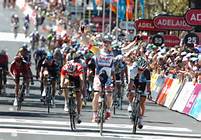 What a crazy week its been with bikes down every street! But how exciting- the tour is here and we are loving it!
When it comes to cycling and the feet your might be suprised by the amount cycling specific injuries that are seen such as numbness, "hot foot", burning sensations, pain on the top of your feet, blisters, and general feeling of your foot and legs "cramping up". Cycling and cleats place the feet under unusual stresses and with that comes cycling specific problems many of which can easily be sorted with little more than a padding or two or a little changes in riding style and bike positioning. We are lucky enough to be surrounded by the excitement at both of our clinics this year with the race riding past the front door at St Bernards Road at Magill, and at the end of our street on Opey Ave Hyde Park. Our Adelaide clinics will be closed from the 21st of December through til the 6th of January. From the team at Podantics Podiatry, have an amazing Christmas and a Happy New Year!
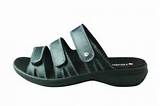 Over 20 Styles available!
The revere shoes range is renown for providing all day comfort and support. With its removable footbed its now easier than ever to put you orthotics into shoes. If you'd prefer we can also hand make orthotics specific to the shoe (that can also be used on other shoes if desired) so that the shoe and orthotic appear seamless so know one will even know they're there! Stock available at Unley Rd, however we also carry a display range at magill for orders. Online soon at www.thefootshop.com.au 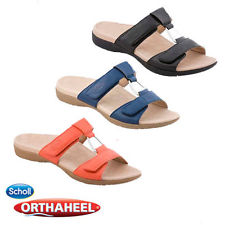 Our new summer stock of orthaheel sandles and thongs are in our Adelaide Podiatry clinics now and on www.thefootshop.com.au. Full range based in our unley clinic and can be arranged at Magill.
New shoes in stock include Orthaheel Dakota sandal in orange and black, Womens Orthaheel Cali adjustable sandal, new colours in childrens Wave Thongs and the new red womens Orthaheel Weave Thong Welcome to Michelle who has joined our staff team. Michelle will be looking after our Unley Rd Clinics on Mondays and Magill on a Wednesday mornings.
|
AuthorAnna Morgan  Archives
January 2019
Categories |

 RSS Feed
Contact Us |
Services |
Foot Conditions |
|