Podantics Podiatry Adelaide
  • Home
  • About Us
  • Podiatry
  • Foot Information
  • Sports
  • Pedicures
  • Adelaide Clinics
  • Contact Us


Common Skin Problems in the Feet

Trauma, infection, skin disease, and even walking can cause changes on the skin of our feet.

 
Picture

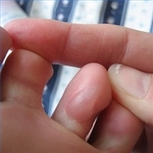
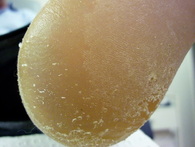
Blisters

Blisters are a small swelling or pocket of fluid in the upper skin layers and is one of the body’s responses to injury, pressure or friction. Under these forces, fluid fills up between layers of the skin to protect the area of pressure and cushion it from further damage. Blisters on the feet are particularly common and can be caused from things such as ill-fitting shoes or friction from increased activity.
More Info >

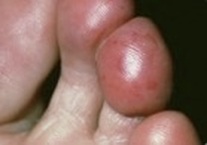
Chilblains

Chilblains are itchy and/or tender red or purple bumps that occur as a reaction to cold. The condition is also known as pernio or perniosis, and is a localised form of vasculitis.

Children and the elderly are most often affected. In children recurrences each winter for a few years are common but complete recovery is usual. Chilblains in elderly people have a tendency to get worse every year unless precipitating factors are avoided.
More info >
Picture
Picture

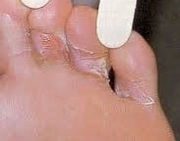
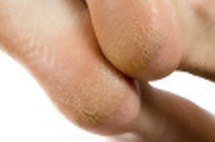
Athletes Foot.

Tinea Pedis, a fungal infection of the foot,  primarily occurs because our feet spend a lot of time in our shoes. The warmth, darkness, and humidity inside our shoes provide a perfect place for these pathogens to grow.
Fungal and bacterial conditions can cause dry, red and itchy skin. In some cases it can also cause blistering which is often brown or yellow in colouration. If not treated early enough, these conditions may be hard to cure.
More Info >

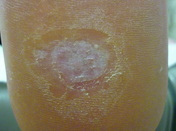
Corns

Corns are caused by friction and pressure when the bony parts of your feet rub against your shoes. It is important to have corns treated by a Podiatrist who can assist you not only in their removal, but can advised you on ways you can help prevent them for reoccurring. Wearing proper fitting shoes or padding can assist in prevention. Treating corns and calluses yourself may be harmful, especially if you have diabetes or poor circulation. Over the counter medicines or "corn cures" can be quite dangerous in people with frail skin and can lead to ulceration and infections when the skin is broken.
More Info >
Picture
Picture

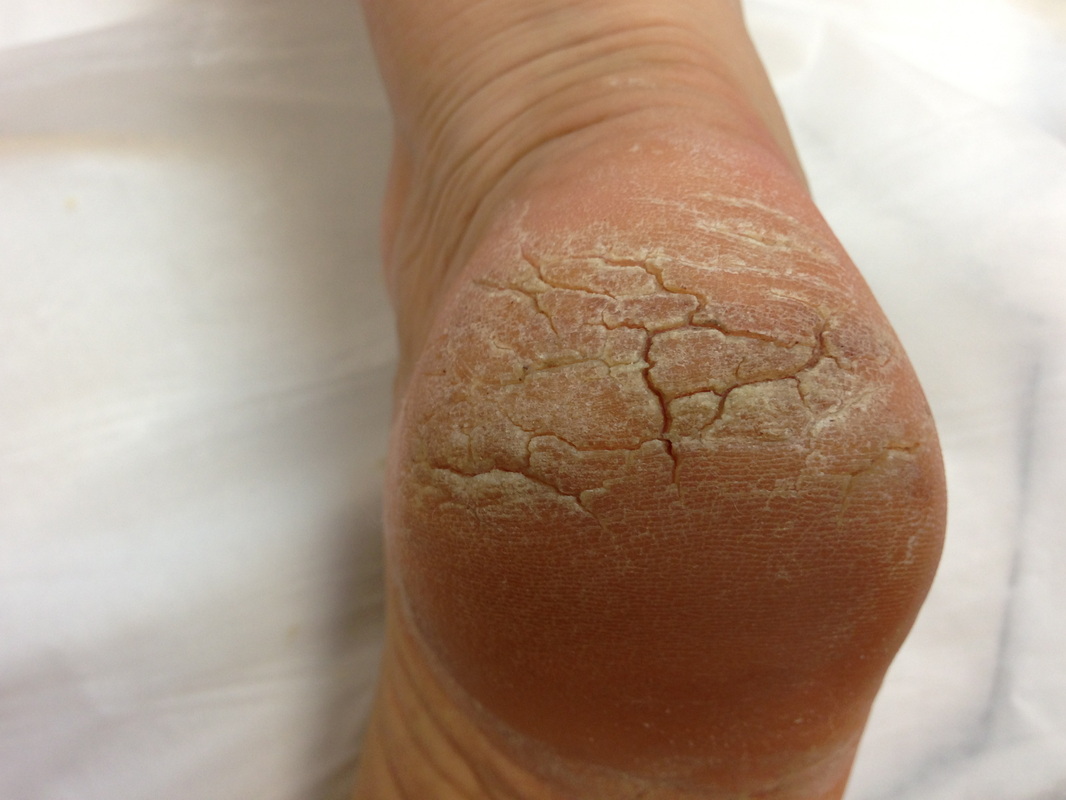
Cracked Heels & Callus

Callus is the thickening of the skin that occurs in response to repetitive shearing forces and friction. Some common causes calluses include shoes that are too small and abnormalities in the gait cycle (the way you walk).
More Info >

Cracked heels are caused by cracking or splitting of the skin. This splitting may be due to dryness or thickening of the skin (callus) that cracks and breaks under pressure.
More Info >

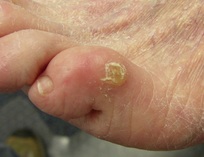
Warts

Warts are growths of the skin that are caused by the human papilomavirus. There are over 100 different strains of the human papillomavirus (HPV) which can cause a thickening of the top layer of skin. Warts are usually acquired from person-to-person contact, and despite reputation, are not usually considered highly contagious, often requiring a small break in the skin to cause infection.
More Info >

Picture
Picture
Pitted Keratolysis

Pitted Keratolysis

Pitted keratolysis is a skin condition affecting the soles of the feet in people who sweat profusely (hyperhidrosis). It is caused by a bacterial infection of the skin, most commonly corynebacteria, and may give off an unpleasant odor. Pitted Keratolyis leads to a change in the in skin texture on the soles of the feet which is commonly describe as looking like "a crumpet".

Psoriasis

Psoriasis is a noncontagious, lifelong skin condition that affects about 2–3% of the population in Australia. People with psoriasis have thickened, red, and often scaly patches on their skin. Psoriasis is very likely to run in families, but it can also be triggered by certain situations, such as emotional stress, injury to the skin, infection, and certain medications. The exact cause of psoriasis is unknown, however is believed to be an autoimmune disease where the immune system sends out faulty signals that speed up the growth cycle of skin cells.
 

Related Articles:
Podiatry Clinics
Common Nail Problems
Athletes Foot
Chilblains
Corns
Warts
Blisters
Cracked Heels
Podantics Podiatry Adelaide, Magill: (08) 8364 0112, Unley Rd Hyde Park: (08) 8272 8755