
Children and Shoes
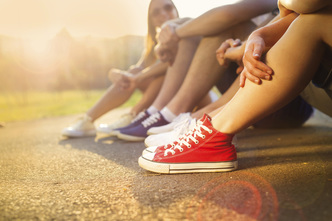
Shoes that fit are vital to a young child's rapidly growing feet. By the time a child reaches the age of 12, his or her feet will have reached about 90 percent of their adult length. Therefore, development of a child's feet is especially important in these first 12 years of life. Podiatrists consider the early years to be essential in the development of foot problems.
Getting the right advice from the start is important. Ingrown toenails, corns and blisters can develop quickly by wearing the wrong shoes. Children who continually wear the wrong shoes can develop a range of problems later in life and exacerbate inherited foot problems such as bunions and clawed toes.
Getting the right advice from the start is important. Ingrown toenails, corns and blisters can develop quickly by wearing the wrong shoes. Children who continually wear the wrong shoes can develop a range of problems later in life and exacerbate inherited foot problems such as bunions and clawed toes.
Infants
When it comes to shoes for babies there are so many options that its hard to know where to start. The truth is babies generally dont need shoes at all. As long as a baby's feet are kept warm and protected they wont need the support of a shoe until they are weight bearing,
The most important thing you can do for your baby's growth and development is to make sure their feet have plenty of space for natural movement. Avoid tight bedclothes, booties, socks or blankets.
The most important thing you can do for your baby's growth and development is to make sure their feet have plenty of space for natural movement. Avoid tight bedclothes, booties, socks or blankets.
Toddlers & Early Walkers
Children with good muscle tone and foot posture generally don't need shoes for support but rather to protect their feet from harm when exploring. A toddler learning to walk receives important sensory information from the soles of their feet, which affects their balance, reflexes and muscle coordination. Shoes, particularly those with excessively hard and inflexible soles can make walking more difficult in the early walker as it disrupts this normal sensory feedback loop between the feet and the brain. It is important to allow your child to go barefoot regularly to help them develop balance, coordination and posture. Whilst this is true for most children, there are some conditions where barefoot is not considered beneficial. These cases may include symptomatic flat feet, ligament laxity and low tone that affect foot posture and other pathology involving pain or dysfunction in the feet particularly where the additional support of shoe, arch support or boot may be required.
School Shoes
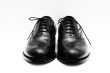
With fashion shoes being marketed so extensively, children can be under a lot of peer pressure to wear the most expensive brands. But as the name suggests, fashion shoes are best left for fashion, not for school.
Traditional school shoes or well made stable sports shoes are the best option for your children as they are likely to outlast fashion shoes and provide the correct support required for young feet.
Qualities to look for in a school shoe include:
All parents want to ensure their children put their best foot forward when they go off to school - and there is no better way of doing that than ensuring they have the right shoes.
Traditional school shoes or well made stable sports shoes are the best option for your children as they are likely to outlast fashion shoes and provide the correct support required for young feet.
Qualities to look for in a school shoe include:
- Adequate length and width (especially across the ball of the foot and toes).
- A firm heel counter (the area that surrounds the heel).
- A moderately stiff sole (not too flimsy). The sole of a shoe should not bend except at the ball of the foot.
- A good lace up or strap to hold the foot firmly in the shoe. (Elastic sided boots are not normally advised as the elastic stretches after a short period and the boot loses most of its support and stability.)
- Leather or open weaved material to help prevent excess moisture build up.
All parents want to ensure their children put their best foot forward when they go off to school - and there is no better way of doing that than ensuring they have the right shoes.
Tips for Buying Children's Shoes
Here are some useful tips for parents buying shoes for their children:
- Try shoes on with socks that will be worn with the shoes
- Stand-up to tie laces and check width
- Check for areas that may rub and cause blisters.
- Check length from the longest toe - not always the big toe
- Growing room is important, but never buy a shoe for a child that is too excessively large to 'grow into'
- Ensure the shoe is flexible at the ball of the foot
- Make sure that you check the fit each time you go shopping and again at the beginning of each school term.
- Never wear worn out hand-me-down shoes as these shoes will have molded to the shape of the original child's foot potentially causing problems for the next child.
- Try both shoes on - very few people have two feet with the same width and length
- Perhaps the most important advice for parents is to visit a reputable shoe store where sales assistants are trained in correctly fitting shoes
Still Confused?
Thats okay. Each child's needs vary slightly between children so its okay to be confused. These suggestions are only a guidelines so if you find yourself in need of more specialised advice, or you'd like us to check out your child's shoes our Podiatrist can help.
> Children's Clinic
> Childrens Podiatry
> 7 Back to School Shopping tips
> Children's Clinic
> Childrens Podiatry
> 7 Back to School Shopping tips
Contact Us |
Services |
Foot Conditions |
|