
Plantar Fasciopathy
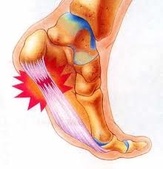
Plantar fasciopathy: is a generalised blanket term used to describe a long term overuse problem of the plantar fascia that causes heel pain. Plantar fasciopathy includes the two phases of damage which are the inflammatory phase (plantar fasciitis) and the non inflammatory phase (plantar fasciopathy).
- Plantar fasciitis: is the term used to describe heel pain caused by the inflammation of the plantar fasciia and usually consists of intense pain, heat and swelling of the area in the days after the damage has occurred. This phase often lasts only several days unless the plantar fascia is repetitively being damaged by over use. A good indicator that the heel is inflamed is if there is pain at the end of the day in the area of insertion of the plantar fascia.
- Plantar fasciosis: is the term used to describe heel pain caused by the degeneration (deterioration) of the plantar fascia which often occurs as a result of repetitive stress. This pain is more likely to be ongoing with little changes in the pattern of pain from day to day. This pain is more likely to occur after rest or after sitting etc. Due to the deterioration in strength of the plantar fascia over time, the plantar fasciia becomes easier to damage, more prone to becoming re-inflammed (plantar fasciitis), and thus people often end up going through cycles of inflammation. Inflammation leads to degeneration, degeneration increases risk of inflammation, and so on...
For more information on the differences between plantar fasciitis and plantar fasciosis click here
- Plantar fasciitis: is the term used to describe heel pain caused by the inflammation of the plantar fasciia and usually consists of intense pain, heat and swelling of the area in the days after the damage has occurred. This phase often lasts only several days unless the plantar fascia is repetitively being damaged by over use. A good indicator that the heel is inflamed is if there is pain at the end of the day in the area of insertion of the plantar fascia.
- Plantar fasciosis: is the term used to describe heel pain caused by the degeneration (deterioration) of the plantar fascia which often occurs as a result of repetitive stress. This pain is more likely to be ongoing with little changes in the pattern of pain from day to day. This pain is more likely to occur after rest or after sitting etc. Due to the deterioration in strength of the plantar fascia over time, the plantar fasciia becomes easier to damage, more prone to becoming re-inflammed (plantar fasciitis), and thus people often end up going through cycles of inflammation. Inflammation leads to degeneration, degeneration increases risk of inflammation, and so on...
For more information on the differences between plantar fasciitis and plantar fasciosis click here
Plantar Fasciitis Treatment
- Rest for several days after injury
- Taping - Icing (gentle - no massage) - Very gentle morning stretches of the plantar fascia before getting up - Avoid heat and massage - Good supportive shoes - Mobilisation/acupuncture/dry needling - Orthotics - Activity modification - Foot Compression socks .... See Plantar Fasciitis * The goal is make sure your are no longer getting pain at the end of the day so that we can enter the rehab phase of plantar fasciosis. However at any time where pain levels increase, in particular towards the end of the day, or if you think you have over done it, treat it as though the area is inflamed |
Plantar Fasciopathy/Fasciosis Treatment
- Heat
- Massage - Orthotics - Plantar fascial stretches before getting up from a seated position - Acupuncture/dry needling/mobilisation - Good supportive shoes - Ultrasound - Foot exercises ........See Plantar Fasciosis * The goal is to rehabilitate the plantar fascia from a weakened and deteriorated structure into a strong and stable structure as well as to decrease the pain which occurs first step in the morning or after rest. Massage of the overused muscles in the arch of the foot can also be worked on at this time as they are often left tender and tense in response to the local pain. |
_
If you need treatment or advice about your heel pain, feel free to book an appointment with one of our podiatrists today.
Related Story's
Plantar Fasciitis Vs Plantar Fasciosis
Types of Heel Pain
Plantar Fasciitis: Causes, Treatment & Prevention
Plantar Fasciosis: Causes, Treatment & Prevention
Heat & Ice? Which do i use?
Running shoes: What should i look for?
Stretches for the lower limb
If you need treatment or advice about your heel pain, feel free to book an appointment with one of our podiatrists today.
Related Story's
Plantar Fasciitis Vs Plantar Fasciosis
Types of Heel Pain
Plantar Fasciitis: Causes, Treatment & Prevention
Plantar Fasciosis: Causes, Treatment & Prevention
Heat & Ice? Which do i use?
Running shoes: What should i look for?
Stretches for the lower limb