
Helping you with your heel pain.
Our assessments focus on the source of the heel pain. With many possible diagnosis for heel pain such as Plantar Fasciitis, Medial Calcaneal Neuritis, Achilles Tendonitis, Baxter's Nerve, Severs Disease etc, it is important to get the correct diagnoses. Depending on your cause, treatment may include a dry needling, massage, strapping, orthotics and rehab. We have tried and tested the majority of heel pain treatments over the years and only offer high success
Causes of heel pain:
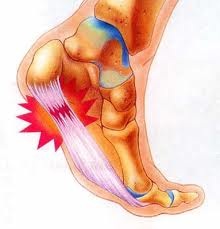
There are many causes of pain at the heel of the foot with the most common being plantar fasciitis or plantar fasciosis. These symptoms can also be found in conjunction with a condition called heel spur syndrome, which occurs when a heel spur is present. Other common sources of heel pain include conditions such as:
Common Causes of Heel Pain:
Common Causes of Heel Pain:
- Plantar Fasciitis
- Achilles Tendonitis
- Severs Disease
- Heel bumps (pump bumps or haglands deformity), a bone enlargement at the back of the heel bone or calcific enthesopahty.
- Flat feet and excessive rolling in of the feet when walking (over pronation)
- Bursitis - an inflamed / irritated bursa (small sack of fluid) at the back of the heel or bottom of the foot.
- Soft tissue problems: Fat Pad Impingement, heel bruises
- Nerve compression / impingement
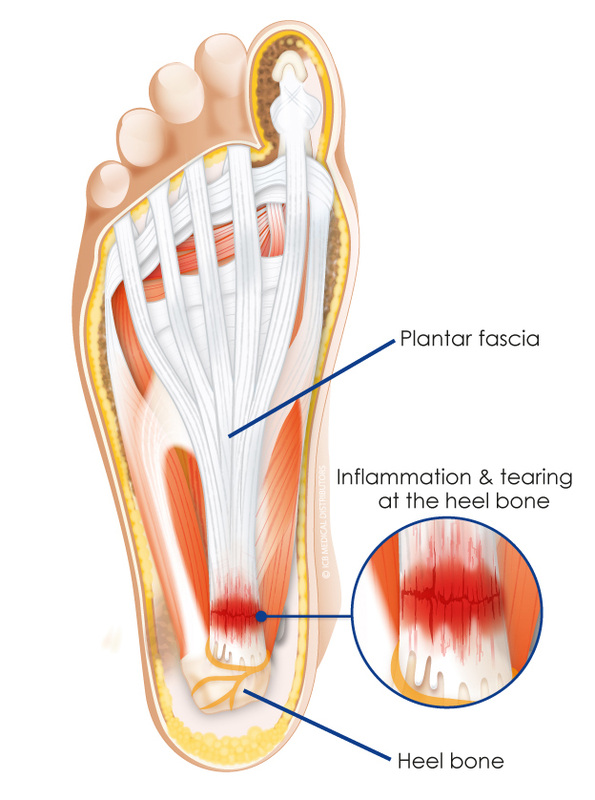
Plantar Fasciitis "Heel Spur"Plantar fasciopathy (Plantar Fasciitis or Plantar Fasciosis)
Usually worse with the first few steps in the morning or at the end of the day. Walking, running, sprinting, hill running and jumping will increase the pain. Often, the natural response is to walk on the outside of the foot – in supination – to lessen the stress on the plantar fascia – resulting in new problems. > Plantar Fasciitis |
|
|
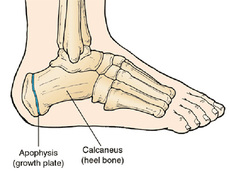
Severs DiseaseThis heel pain occurs in children aged between 9 – 15 year old children and is more common in boys. This pain is often worse with jumping and running, however if bad enough can be painful at all times of the day. The pain occurs when the Achilles tendon continually pulls on the apophysis of the calcaneum and does not allow it to fuse with the body of the calcaneum.
|
|
|
|
|
Haglund's Deformity "Pump Bump"Also known as Haglund’s Deformity, this is a bony enlargement that exists on the back of the heel – usually related to a congenital abnormality or with chronic bursitis, causing a thickening. There may have already been trauma or pressure from footwear. Treatment is usually protection of the bump and correct footwear.
|
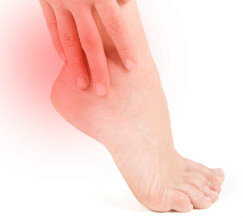
Retrocalcaneal BursitisAssociated with a symmetrical swelling at the base of the Achilles tendon. It is usually related to repetitive trauma or inappropriate footwear. It is often red and hot in the early stages. Treatment is usually to correct the footwear, provide padding and treat the local symptoms e.g. ice, rest, physiotherapy and cortisone injection.
|
|
|
|
Fat Pad Syndrome and Bruising
Direct contact with the base of the heel may result in trauma to the fat pad. Related to obesity, training on hard surfaces, uneven grounds, poor shoes especially overlarge shoes which can cause shearing forces on the heel. These conditions are renowned for taking a long time to recover – usually many months.
|
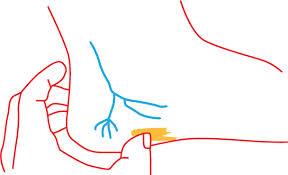
Achilles TendonitisAchilles Tendonitis causes pain at the back of the heel where the calf muscle attaches to the bone. Achilles tendinitis is one of the worlds most common tendon problems. Overuse, misalignment, improper footwear, flat feet and genetics and/or accidents can all result in Achilles tendon injuries.
> Achilies Tendonitis |
|
Calcaneal Nerve Impingment
Calcaneal Nerve Entrapment is a medical problem that can result in heel pain. There is a specific nerve known as the calcaneal nerve that runs under the inside of the heel. Sometimes this nerve can become entrapped and cause a burning pain on the underside of the heel. This pain is similar to the pain experienced by a plantar fasciitis sufferer, though heel pain from nerve entrapment will not get worse in the morning.
|
Less common causes of heel pain:
- A neuroma or nerve entrapment such as tarsal tunnel syndrome, plantar calcaneal nerve entrapment, entrapment of the abductor digitie quinti nerve and Sciatica (S1)
- Referred pain from the lower back
- Inflammatory conditions such as ankylosing spondylitis and psoriatic arthritis (characterized by bilateral heel pain)
- Other soft-tissue or bony growths such as a tumors, infection, cyst's or gout.
- Bruises or stress fractures to the heel bone (calcaneous).
Who gets heel pain?
The greatest incidence of heel pain is seen in middle-aged men and women. It is also seen in those people who take part in regular sporting activities, people who are significantly overweight and those who are on their feet a lot. Heel pain such as sever's disease can occur in active children aged 9-13 years old.
The causes of heel pain
While heel pain has many causes, it is usually the result of biomechanics limitations (misalignments or abnormalities in the way we walk). This can place too much stress on the heel bone and the soft tissues attached to it. The stress may also result from injury, or a bruise incurred while walking, running or jumping on hard surfaces; standing for prolonged periods; wearing poorly constructed footwear; or being significantly overweight. Systemic diseases such as arthritis and diabetes can also contribute to heel pain.
Foot wear
Wear shoes that fit well – front, back and sides – and have shock-absorbent soles, rigid uppers and supportive heel counters. Avoid flat shoes such as thongs or shoes with excessive wear on heels or soles. A good pair of running shoes is often recommended for people with severe heel pain. For more information on running shoes click here.
Stretches and Exercises
Prepare properly before exercising or sport. Warm-up before running or walking, and do some stretching exercises afterward. Pace yourself when you participate in athletic activities such as running. If overweight, try non weight-bearing activities such as swimming or cycling. > Stretches
Other Treatments
Ultrasound, rest, thermal therapy such as RICER, heat therapy, and ESWT are only a small list of the treatments that may be used to help your heel pain. Your podiatrist may also use taping or strapping to provide extra support for your foot. Orthoses (shoe inserts) specifically made to suit your needs may be also be prescribed.
Related articles:
Sport shoes
Sports Centre
Plantar Fasciitis
Plantar fasciitis vs Plantar fasciosis
RICER
Orthotics
Contact Us |
Services |
Foot Conditions |
|